Safeside Traffic Control Ltd Improves New Westminster Road Safety Through Traffic Planning
Coquitlam, Canada - June 17, 2026 / Safeside Traffic Control Ltd /
NEW WESTMINSTER, BC | June 16, 2026
New Westminster Roadways Improved Through Safeside Traffic Control’s Expert Safety Planning
New Westminster, British Columbia, is experiencing ongoing roadway management adjustments as construction activity, utility maintenance, and infrastructure upgrades continue across multiple corridors in the city. These conditions have placed increased focus on structured traffic coordination measures aimed at maintaining safety and reducing disruption for motorists and pedestrians. Recent traffic management efforts involving Safeside Traffic Control have contributed to improved roadway organization through planned safety-oriented traffic control systems applied across active work zones.
The development of coordinated traffic strategies has become an important component of urban infrastructure delivery, particularly in areas where lane closures, detours, and equipment staging are required. Safeside Traffic Control applies pre-site assessments and structured traffic flow planning to address these challenges. This includes identifying high-risk intersections, evaluating congestion patterns, and establishing controlled movement zones designed to support both construction progress and public roadway access.
A company spokesperson stated that traffic management in New Westminster requires consistent planning and attention to evolving site conditions in order to maintain safe and efficient movement through active work areas.
These measures have supported improved traffic flow consistency and enhanced safety conditions in affected areas, particularly where pedestrian movement and vehicle routing overlap with construction activity. The emphasis on structured planning and regulatory compliance continues to shape how roadway disruptions are managed across the city, reflecting broader regional priorities in transportation safety and infrastructure coordination.
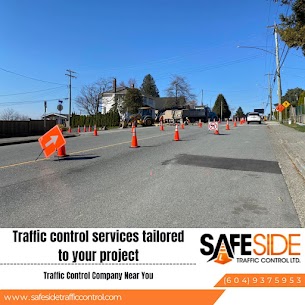
Urban Mobility Pressures Shaping Traffic Coordination in New Westminster
New Westminster’s roadway network continues to operate under complex mobility conditions influenced by construction activity, utility maintenance, and scheduled infrastructure upgrades. These activities regularly affect key arterial routes, residential access points, and pedestrian corridors, requiring structured traffic coordination to maintain safe and predictable movement patterns. The city’s dense layout and mixed-use road environment further increase the need for controlled traffic management approaches that can respond to shifting on-site conditions.
Temporary lane closures, detours, and intermittent road obstructions often contribute to localized congestion and unpredictable traffic flow. These conditions can create challenges for commuters, service vehicles, and emergency access routes, particularly during peak travel periods. As a result, traffic control planning has become an essential component of maintaining functional roadway access during active works.
Safeside Traffic Control operates within this environment by supporting project sites with structured traffic routing strategies designed to reduce conflict points between vehicles and pedestrians. The emphasis is placed on maintaining clear separation between active construction zones and public travel lanes, while ensuring that access to surrounding neighborhoods remains uninterrupted wherever possible. These coordinated measures contribute to more consistent roadway movement and improved safety conditions across affected areas.
Structured Field Operations Supporting Road Safety Coordination
Traffic management implementation in New Westminster involves coordinated field operations designed to maintain order and safety across active work zones. Safeside Traffic Control applies structured deployment procedures that begin with pre-job site evaluations and continue through on-site execution and monitoring. These steps ensure that traffic movement is guided through clearly defined routes that align with site-specific conditions.
Field personnel are positioned according to detailed traffic management plans that account for lane reductions, intersection control points, and pedestrian crossing areas. Equipment placement, including signage, cones, and barriers, is arranged to maximize visibility and provide advance warning to approaching drivers. These operational measures help reduce uncertainty in areas where roadway conditions are temporarily altered.
Continuous monitoring is a key part of field execution, allowing adjustments to be made in response to traffic buildup or unexpected changes in flow patterns. Coordination between on-site personnel supports timely communication and ensures that traffic control measures remain aligned with real-time conditions.
Through these structured field operations, roadway environments affected by construction activity are managed in a controlled and predictable manner, supporting safer interactions between road users and active work zones.
Safety-Driven Planning Framework for Active Work Zones
Traffic control planning in New Westminster relies on a structured framework that prioritizes safety and operational clarity in areas affected by construction and infrastructure projects. Safeside Traffic Control applies pre-site assessments to evaluate roadway conditions, identify potential hazards, and determine appropriate traffic flow adjustments before field deployment begins.
Each plan is developed based on site-specific variables such as road width, traffic volume patterns, pedestrian access points, and equipment staging requirements. This allows for the creation of routing systems that reduce conflict between moving vehicles and stationary work areas. Attention is given to ensuring that emergency access routes remain accessible at all times.
A key component of the planning process is the establishment of clear visual guidance systems, including signage placement and lane delineation strategies that improve driver awareness. These measures are designed to support safe navigation through modified traffic conditions while maintaining consistency across different phases of a project.
By applying structured planning methods, traffic disruptions are managed in a controlled manner that supports both construction efficiency and roadway safety. The framework also allows for adjustments as project conditions evolve, ensuring that traffic control measures remain appropriate throughout the duration of active works.

Coordinated Traffic Control Across Municipal and Contractor Networks
Effective traffic management in New Westminster requires coordination between multiple stakeholders, including municipal authorities, construction contractors, and traffic control providers. Safeside Traffic Control operates within this network by aligning traffic management plans with approved project schedules and regulatory requirements.
Communication between stakeholders plays a central role in ensuring that traffic control measures reflect current site conditions and project timelines. This coordination helps prevent inconsistencies between planned construction activities and on-road traffic arrangements. It also supports smoother transitions between different phases of infrastructure work, particularly in areas where multiple contractors may operate in close proximity.
Traffic control strategies are adjusted based on project updates, permitting conditions, and site-specific changes that may affect roadway access. This adaptive approach ensures that traffic routing remains aligned with municipal safety standards while accommodating construction progress.
The integration of these coordination practices contributes to more stable roadway conditions in areas undergoing infrastructure modification. It also supports improved predictability for road users navigating through temporary traffic arrangements across the city.
Operational Standards Guiding Certified Traffic Personnel
Traffic control operations in New Westminster are carried out under established certification and training standards that guide field performance and safety compliance. Safeside Traffic Control relies on personnel trained in provincial traffic control procedures, ensuring that all on-site activities align with recognized safety regulations.
Training programs focus on hazard recognition, traffic flow direction, equipment placement, and emergency response procedures. These competencies are essential for managing dynamic roadway environments where conditions can change rapidly due to construction activity or traffic volume shifts.
Certified personnel are responsible for implementing traffic management plans accurately while maintaining awareness of surrounding conditions. This includes monitoring driver behavior, adjusting traffic routing where necessary, and ensuring that safety barriers remain properly positioned throughout active operations.
Ongoing training is used to reinforce compliance with updated safety standards and operational guidelines. This ensures consistency in field performance across different project sites and supports a uniform approach to traffic control delivery.
These standards contribute to maintaining safe working environments in active road zones while supporting efficient movement of vehicles and pedestrians through temporarily altered traffic conditions.
Equipment Systems and Visibility Measures in Road Management
Traffic control systems in New Westminster rely on a combination of physical equipment and visibility-enhancing measures designed to guide road users safely through modified travel conditions. Safeside Traffic Control utilizes standardized tools such as signage systems, cones, barricades, and lane delineation devices to establish clear boundaries within active work zones.
Proper placement of equipment is essential to ensure early driver awareness and adequate reaction time when approaching construction-affected areas. Visibility considerations are applied to both daytime and low-light conditions, with reflective materials and positioning strategies used to improve recognition of traffic control instructions.
Communication tools also support field coordination, allowing personnel to respond quickly to changing traffic conditions or unexpected roadway developments. This ensures that adjustments can be made without disrupting overall traffic flow patterns.
The use of structured equipment layouts contributes to reducing confusion in areas where normal roadway configurations are temporarily altered. These systems help maintain predictable movement paths for vehicles and pedestrians while supporting the operational needs of construction teams working within the same space.
Public Movement Patterns and Localized Safety Outcomes
Traffic control activities across New Westminster have influenced localized movement patterns by introducing structured routing systems in areas affected by construction and infrastructure work. These systems help guide vehicles and pedestrians through designated paths, reducing uncertainty in zones where roadway configurations have been temporarily modified.
Pedestrian access management remains a key consideration in these environments, particularly in mixed-use areas where sidewalks, crossings, and work zones intersect. Controlled pathways and clearly marked crossing points support safer navigation for individuals moving through affected corridors.
Vehicle flow adjustments also contribute to more organized traffic conditions, particularly in areas where lane reductions or detours are in place. These measures help distribute traffic more evenly across available routes, reducing bottlenecks in heavily utilized sections of the roadway network.
The combined effect of these practices supports improved safety conditions in localized areas undergoing construction activity. It also reinforces the role of structured traffic management in maintaining functional access across urban environments during periods of infrastructure modification.
About Safeside Traffic Control Ltd
Safeside Traffic Control Ltd is a traffic management service provider based in New Westminster, British Columbia, offering structured traffic control solutions for construction sites, road works, infrastructure projects, and public events across the surrounding areas. The company focuses on supporting safe and efficient roadway operations through professionally planned traffic management systems designed to comply with local regulations and industry standards.
With a team of certified and trained traffic control professionals, Safeside Traffic Control Ltd is committed to maintaining safety for workers, pedestrians, and motorists in active work zones. The company works closely with contractors, municipal stakeholders, and project teams to develop traffic control strategies tailored to specific site conditions and operational requirements.
Its services are designed to support safe traffic flow, minimize disruptions in active construction areas, and ensure clear guidance for road users through properly implemented traffic control measures.
Media Contact
Safeside Traffic Control Ltd
New Westminster, British Columbia
Phone: +1 604-704-8051
Email: info@safesidetrafficcontrol.com


Contact Information:
Safeside Traffic Control Ltd
1140 Eagleridge Dr Unit 25
Coquitlam, BC V3E 1C2
Canada
Angie Lamb
+1 604-704-8051
https://safesidetrafficcontrol.com/


Original Source: https://safesidetrafficcontrol.com/media-room
