Mobile Physiotherapy in BC by Movewell Mobile Therapy for In-Home Rehab Care
Vancouver, Canada - May 20, 2026 / Movewell Mobile Therapy /
Press Release
Movewell Mobile Therapy Brings Professional Rehabilitation Services Right to Your Doorstep
VANCOUVER, BC, May 18, 2026 - Movewell Mobile Therapy is drawing attention within the rehabilitation sector as it places increased emphasis on delivering professional physiotherapy services directly to patients’ residences across local communities in British Columbia. The development reflects a broader shift in healthcare delivery models, where accessibility and continuity of care are becoming central considerations in physiotherapy and rehabilitation services. Rather than relying solely on clinic-based treatment environments, the mobile service approach allows licensed rehabilitation professionals to provide care within home settings, where patients are often managing recovery from injury, surgery, or long-term mobility conditions.
This model aligns with evolving healthcare priorities that focus on reducing barriers related to transportation, scheduling limitations, and physical accessibility, particularly for individuals with restricted mobility or complex recovery needs. The emergence of mobile physiotherapy services is increasingly being viewed within the industry as part of a wider transition toward community-based and patient-centered care delivery.
Within this context, Movewell Mobile Therapy’s service structure involves therapists delivering assessment and rehabilitation support directly in patient environments, enabling treatment to be informed by real-world movement patterns and daily living conditions. This approach is positioned within ongoing discussions about how rehabilitation services can better adapt to patients’ functional environments rather than requiring adaptation to clinical settings.
A spokesperson for Movewell Mobile Therapy stated that the service model is intended to support individuals who require rehabilitation in non-clinical environments, particularly those experiencing mobility challenges or recovering from physical injury or surgical procedures. The development is being observed as part of a wider industry movement toward more flexible rehabilitation delivery methods that prioritize accessibility and functional recovery outcomes.
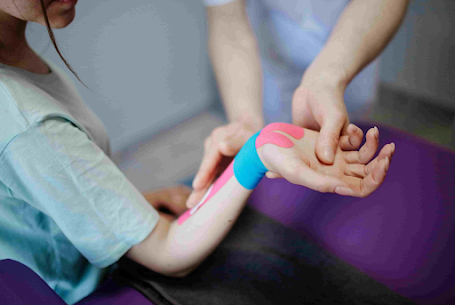
Shift Toward Home-Based Rehabilitation in Modern Physiotherapy Care
Movewell Mobile Therapy’s increased emphasis on in-home physiotherapy reflects a broader shift within the rehabilitation sector toward decentralized care delivery. This model is gaining attention as healthcare systems and providers respond to growing demand for services that extend beyond traditional clinical environments. In-home rehabilitation allows physiotherapy to take place within the patient’s natural living space, where movement patterns, physical limitations, and daily routines can be observed more directly.
This approach is particularly relevant in cases where patients experience reduced mobility due to injury, post-surgical recovery, or chronic musculoskeletal conditions. By delivering care in a home setting, rehabilitation professionals are able to evaluate functional challenges in real time, including stairs, flooring surfaces, and household layouts that may influence recovery progress. The result is a treatment approach that is closely aligned with practical movement needs rather than controlled clinical conditions.
The expansion of home-based physiotherapy services is also associated with improved continuity of care for individuals who may struggle with transportation or scheduling constraints. Within this evolving landscape, Movewell Mobile Therapy’s service model is positioned as part of a wider healthcare trend that prioritizes accessibility, adaptability, and patient-centered rehabilitation delivery across community settings.
Mobile Physiotherapy Delivery Model and In-Home Care Process
The mobile physiotherapy model used by Movewell Mobile Therapy is structured around delivering full rehabilitation services directly to patients in their residences or chosen locations. This approach replaces the need for clinic visits with scheduled in-home sessions conducted by licensed rehabilitation professionals. The process begins with an initial assessment, during which a therapist evaluates the patient’s physical condition, mobility limitations, and functional goals within the home environment.
Following assessment, a tailored treatment plan is developed that may include therapeutic exercises, mobility training, manual therapy techniques, and education on movement strategies. The home setting allows therapists to incorporate everyday objects and spaces into treatment sessions, helping patients practice movements that are directly relevant to daily activities. This can include navigating stairs, moving through narrow spaces, or performing household tasks safely.
The model also supports ongoing monitoring and adjustment of rehabilitation plans based on observed progress in real-world conditions. Unlike clinic-based settings, the home environment provides continuous context for evaluating functional improvement. This structure reflects a growing interest in patient-centered rehabilitation workflows, where treatment is adapted to the individual’s environment rather than requiring environmental adaptation to clinical standards.
Patient Populations Supported Through In-Home Rehabilitation Services
Movewell Mobile Therapy’s mobile physiotherapy services are utilized by a diverse range of patients who require rehabilitation support across different stages of recovery. A significant portion of individuals receiving in-home care includes those recovering from surgical procedures, musculoskeletal injuries, or acute trauma that temporarily limits mobility. These patients often benefit from treatment in environments where movement challenges occur naturally.
In addition, mobile physiotherapy services are frequently used by individuals managing chronic pain conditions or long-term mobility impairments. For these patients, consistent access to therapy can be essential in maintaining function and preventing further physical decline. Elderly individuals and those with age-related mobility limitations also represent a key group, particularly when transportation to clinical facilities becomes difficult.
Post-hospital discharge patients are another important demographic, as early-stage rehabilitation at home can help bridge the gap between inpatient care and independent recovery. By providing services in familiar surroundings, therapists are able to evaluate safety risks and recommend adjustments that support long-term mobility and independence.
This wide range of applications highlights how rehabilitation at home is increasingly integrated into broader care pathways, particularly for individuals requiring adaptable and accessible physiotherapy services across different health conditions.

Functional Environment-Based Therapy and Real-World Movement Integration
A defining feature of mobile physiotherapy is the ability to conduct rehabilitation within the patient’s actual living environment. This allows therapists to design treatment strategies that reflect real-world movement demands rather than simulated clinic exercises alone. Movewell Mobile Therapy’s approach incorporates functional environment assessment as a core component of care delivery.
By observing patients in their homes, therapists can identify specific physical challenges related to space layout, mobility barriers, and daily task execution. This may include evaluating how patients move between rooms, navigate stairs, or perform household activities such as lifting, bending, or reaching. These observations help inform targeted interventions that are directly relevant to the patient’s daily life.
Treatment plans are then adjusted to incorporate functional exercises that mirror real-world conditions, supporting improved transfer of rehabilitation outcomes into everyday activities. This approach is particularly important for individuals recovering from lower limb injuries, balance disorders, or post-operative restrictions, where environmental context plays a significant role in recovery progression.
The use of environment-based rehabilitation strategies reflects a broader trend in physiotherapy toward functional training models that prioritize practical movement outcomes over isolated clinical exercises.
Accessibility Challenges and the Role of Mobile Rehabilitation Services
Access to consistent physiotherapy services remains a challenge for many individuals, particularly those with limited mobility, transportation constraints, or chronic health conditions. Traditional clinic-based models often require patients to travel regularly, which can create barriers to adherence and continuity of care. Movewell Mobile Therapy’s in-home service structure is designed within this context of accessibility challenges in modern healthcare delivery.
Mobile physiotherapy reduces the need for travel, allowing patients to receive care in environments where physical limitations may otherwise prevent clinic attendance. This is particularly relevant for individuals living with disability, recovering from surgery, or managing conditions that affect balance and mobility. In rural or dispersed communities, mobile services can also help bridge gaps in access to rehabilitation professionals.
In-home care delivery additionally supports improved consistency in treatment schedules, as appointments are less affected by transportation delays or logistical limitations. This contributes to more stable rehabilitation progress and allows therapists to maintain ongoing observation of patient development over time.
The expansion of accessible rehabilitation services reflects broader healthcare discussions around equity in care delivery and the need for flexible service models that accommodate diverse patient circumstances.
Growing Industry Movement Toward Decentralized Physiotherapy Care
The increasing adoption of mobile physiotherapy services reflects a wider transformation within the rehabilitation industry toward decentralized care models. Healthcare providers are progressively exploring alternatives to traditional clinic-based delivery systems, driven by changing patient needs, demographic shifts, and evolving expectations around convenience and accessibility.
Movewell Mobile Therapy operates within this broader industry context, where in-home rehabilitation is becoming more widely recognized as a viable complement to conventional physiotherapy services. This shift is particularly evident in regions with aging populations and rising demand for long-term rehabilitation support, where access to consistent care is a key concern.
Decentralized physiotherapy models also align with broader healthcare system goals focused on reducing pressure on clinical infrastructure and improving patient flow across care settings. By enabling therapy to occur in residential environments, mobile services contribute to a more distributed approach to rehabilitation delivery.
The continued development of community-based physiotherapy models suggests that mobile care will remain an expanding segment within the rehabilitation sector. This trend reflects ongoing efforts to improve patient access, enhance functional recovery outcomes, and adapt service delivery to real-world living environments rather than solely clinical spaces.

About MoveWell Mobile Therapy
MoveWell Mobile Therapy is a rehabilitation service provider based in British Columbia, Canada, offering mobile physiotherapy and kinesiology services delivered directly to patients’ homes, workplaces, and care facilities. The organization focuses on providing on-site rehabilitation support designed to assist individuals recovering from injury, managing mobility limitations, or working toward improved physical function through structured therapeutic care.
The service model emphasizes accessibility and individualized treatment planning, with licensed professionals delivering physiotherapy interventions tailored to each patient’s condition and recovery goals. A key component of its offerings includes a Falls Prevention Program aimed at improving balance, stability, and reducing the risk of injury, particularly among individuals with mobility challenges or age-related physical decline.
For inquiries, contact:
Phone: (778) 909-6683
Email: info@mobiletherapy.ca
Location: British Columbia, Canada


Contact Information:
Movewell Mobile Therapy
Vancouver, BC
Canada
Armin Ghayyur
+1 604-800-7938
https://mobiletherapy.ca/
Original Source: https://mobiletherapy.ca/media-room/
